Additional Triggers to Be Aware Of Research has identified numerous other mast cell triggers: Temperature extremes (both hot and cold) Physical exertion and exercise Infections (bacterial, viral, parasitic) Environmental toxins and chemicals (including mold toxins) Certain medications (NSAIDs, opioids, some antibiotics) Alcohol (particularly red wine and beer) Food additives and preservatives Hormonal fluctuations (especially high estrogen and low progesterone) Magnesium deficiency Genetics and Mast Cell Activation: Know Your Risk Your genes don't determine your destiny, but they do influence your susceptibility to mast cell activation problems
M.FrickerM.ThomsonD.et al (2015)
Clinical research has consistently demonstrated that supplementation with folic acid, vitamin B, and vitamin B can effectively lower homocysteine concentrations
Treatment and mechanism of fecal microbiota transplantation in mice with experimentally induced ulcerative colitis
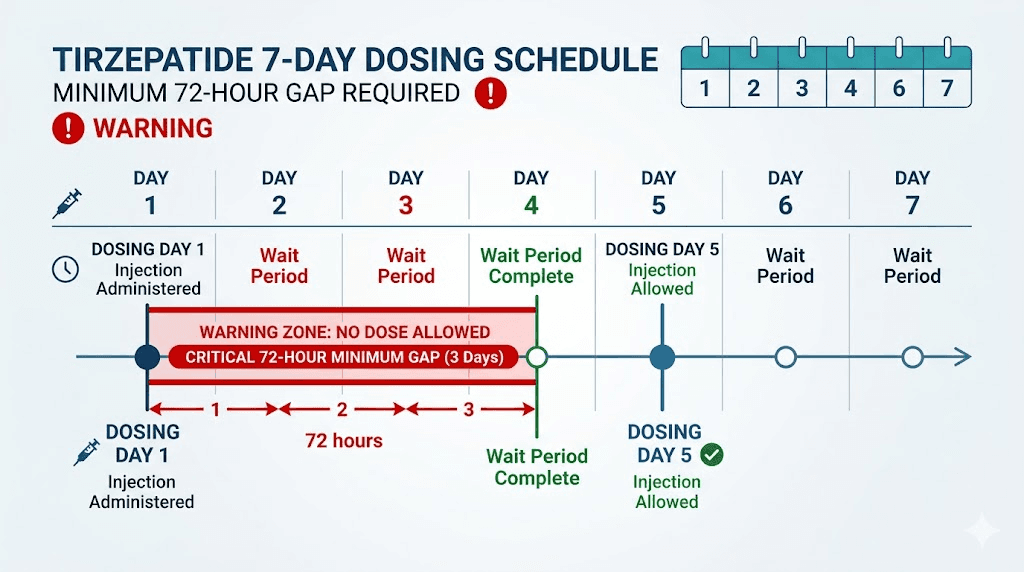
Next, press the plunger to the correct dose to eliminate any bubbles
Combination acne formulations